What does an SEO consultant actually do?
An SEO consultant diagnoses why a website isn't ranking or converting as well as it should, then builds a prioritised, actionable plan to fix it — without necessarily doing the ongoing implementation work themselves. In short, they provide the strategy and expertise; you or your team (or an agency) carry it out.
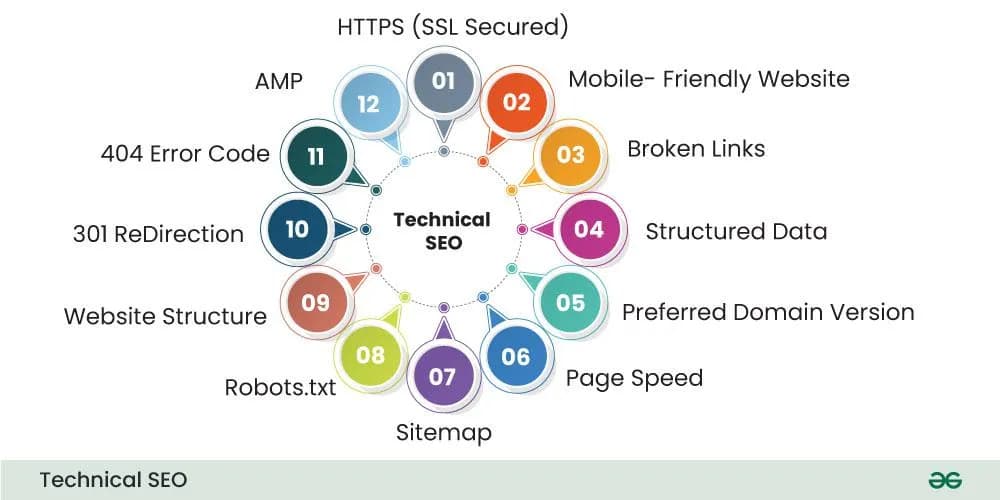
In practice, this covers auditing technical health, content, and backlink profiles; benchmarking against competitors; identifying quick wins versus longer-term priorities; and translating findings into a roadmap your team can actually use. A good consultant also explains the "why" behind each recommendation, so in-house marketers or business owners come away understanding their site's SEO rather than just holding a list of tasks. Our team's SEO consulting sessions follow this model — pre-session research, a structured strategy conversation, and a written action plan at the end.
How much does an SEO consultant cost in the UK?
UK SEO consultants typically charge in one of three ways: an hourly rate, a fixed project fee for a specific piece of work, or a retainer for ongoing strategic input — the right model depends on scope.
Hourly billing suits quick, well-defined questions — a second opinion on a technical issue, or a review of a proposed site migration. A fixed project fee is more common for a full audit-and-roadmap engagement, since it covers pre-session research, the session itself, and a written deliverable. Retainers suit businesses that want a consultant checking in regularly — reviewing progress, adjusting priorities, and acting as an ongoing sounding board — without handing over full SEO management. Costs vary across the market based on the consultant's experience and the depth of analysis involved, so it's worth confirming exactly what's included in the price before booking. Our current consulting rates are shown in the pricing section on this page.
What are the benefits of hiring an SEO consultant?
Hiring an SEO consultant gives you expert, outside-in strategic input at a fraction of the cost of a full agency retainer, and without the trial-and-error risk of DIY SEO. It's a middle ground: more structured and accountable than figuring it out yourself, but more flexible and lower-commitment than handing over ongoing management.
Compared with DIY SEO, a consultant brings pattern recognition from working across multiple sites and sectors — spotting issues that are easy to miss when you're too close to your own website, and avoiding costly mistakes such as changing URL structures without redirects. Compared with a full agency retainer, consulting gives you the strategic direction without paying for ongoing execution you may already have the in-house capacity to handle. Focused, well-prioritised SEO input can also move the needle quickly: in the first 28 days of an SEO campaign for a Chelmsford psychotherapy practice (Humanskind), organic clicks grew +1,100% and impressions +194%, measured in Google Search Console — an early-stage result, and individual results vary, but it illustrates how much impact a clear, prioritised strategy can have when the right actions are targeted first.
When should a business hire an SEO consultant?
A business should consider hiring an SEO consultant when it's unsure whether its current SEO is working, when rankings have unexpectedly dropped, before a website redesign or migration, or when an in-house team needs direction and training rather than extra hands. It's particularly useful at decision points where getting it wrong is expensive.
Common trigger moments include planning a site redesign or replatform (where SEO needs input into the new structure before it's built, not after), a sudden traffic or ranking drop that needs diagnosing, onboarding an in-house marketer who needs a documented strategy to work from, or simply reaching a point where SEO activity has been happening for months without a clear plan or measurable goals. In most of these situations, a consulting session provides a faster, lower-cost way to get clarity than committing straight to a full management retainer — and for many businesses, it's a natural first step before deciding whether ongoing SEO management is the right next move.