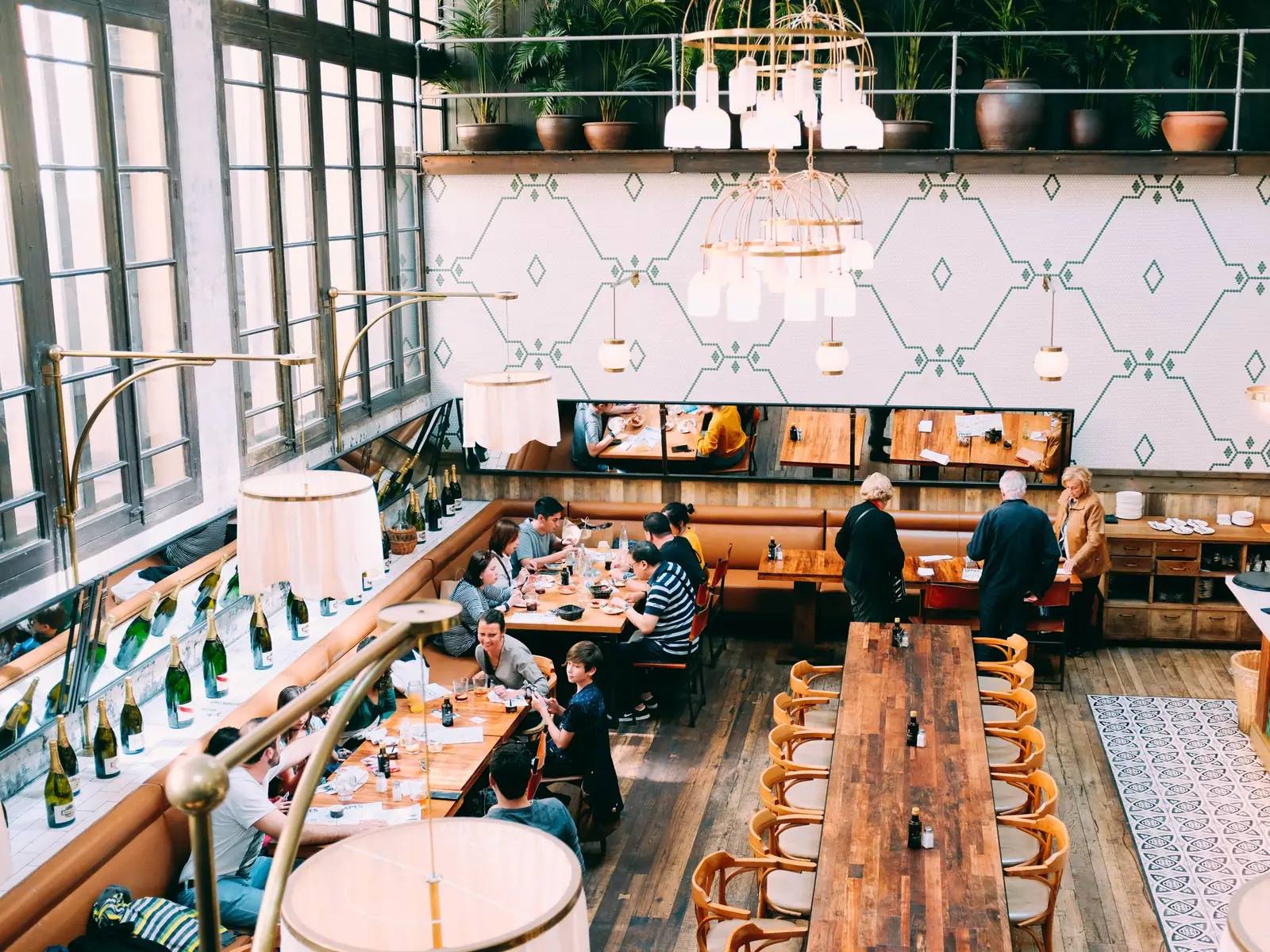
Most restaurant websites fall into one of two traps: they are visually impressive but functionally passive — beautiful photography with a PDF menu and a link to OpenTable — or they are technically adequate but invisible in local search because schema markup, Google Business Profile alignment, and location-specific content are absent.
The practical consequence of the first trap is that every booking goes through a third-party platform, costing commission on each cover and leaving the restaurant with no direct guest data for marketing or relationship-building. The second trap means potential diners searching 'restaurants in [town]' or 'best Italian [area]' encounter competitors before they encounter you — not because those competitors are better, but because their websites are better structured for local search.
For restaurants that offer occasion dining — Valentine's Day set menus, Christmas parties, birthday packages, corporate event catering — the website needs dedicated landing pages that capture the specific search queries those events generate weeks or months in advance. A single contact page cannot rank for 'Christmas party venue [town]' or 'Valentine's Day dinner [city]'.
Menu content on a website also functions as a genuine SEO asset. Dishes, ingredients, dietary options, and cuisine type are all searchable — a well-structured online menu with proper markup helps your restaurant appear in searches well beyond 'restaurants near me'.